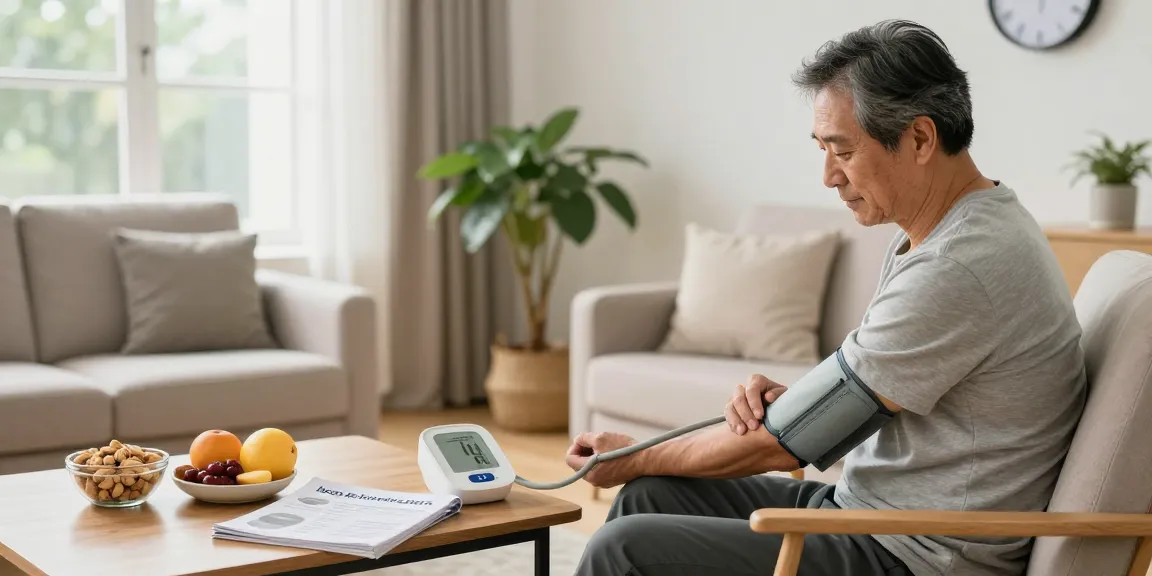
Understanding Blood Pressure Devices
Blood pressure devices are vital tools used to monitor cardiovascular health, playing an essential role in the prevention and management of hypertension. Understanding the various types of blood pressure devices and how they function can empower individuals to take control of their health. When exploring options, blood pressure device can provide comprehensive insights into maintaining optimal health.
What is a Blood Pressure Device?
A blood pressure device, also known as a sphygmomanometer, is a medical instrument designed to measure the pressure in your arteries as your heart pumps. Blood pressure readings are given in millimeters of mercury (mmHg) and consist of two numbers: systolic pressure (the force of blood against artery walls when the heart beats) over diastolic pressure (the pressure when the heart is at rest). A typical reading may look like this: 120/80 mmHg, which is considered normal.
Types of Blood Pressure Devices Available
There are several types of blood pressure devices available, each with its unique features:
- Manual Blood Pressure Monitors: These devices often come with a cuff, a stethoscope, and a mercury column or aneroid gauge. They are commonly used in clinical settings but require skill and practice to use correctly.
- Digital Blood Pressure Monitors: These are user-friendly and typically come with automatic cuffs that inflate at the push of a button. They display readings on a digital screen, making them suitable for home use.
- Wrist Blood Pressure Monitors: Compact and portable, these devices are worn on the wrist and are ideal for individuals who struggle with arm cuffs. However, they may be less accurate than arm monitors.
- Smart Blood Pressure Monitors: These are integrated with smartphone apps that allow for data tracking and analysis. They often include features for sharing data with healthcare professionals.
How Blood Pressure Devices Work
Blood pressure devices work by measuring the oscillatory pressure as blood flows through the arteries. In manual devices, the cuff is inflated until blood flow is obstructed; the pressure is then slowly released while a stethoscope monitors the blood flow sounds. Digital devices use sensors that provide automated readings, simplifying the process for users. Regardless of the type, accuracy is paramount, and proper technique during measurement is crucial.
Choosing the Right Blood Pressure Device for You
Finding the right blood pressure device can significantly influence your ability to monitor your health effectively. With so many options available, it’s essential to consider various factors that can affect your choice.
Factors to Consider When Buying a Blood Pressure Device
When selecting a blood pressure device, consider the following factors:
- Accuracy: Look for devices that are validated for clinical accuracy.
- Ease of Use: Choose a monitor that is simple to operate, especially if it’s for home use.
- Cuff Size: Ensure the cuff fits properly; an ill-fitting cuff can lead to inaccurate readings.
- Features: Consider models with extra features like memory storage, averaging readings, and Bluetooth connectivity for data sharing.
- Budget: There are quality devices available at various price points; choose one that fits your needs and budget.
Top Recommendations for 2026
Based on current reviews and advancements in technology, here are some top blood pressure devices recommended for 2026:
- Omron Platinum BP5450: Known for its accuracy and Bluetooth connectivity, it is user-friendly and offers multi-user support.
- Withings BPM Connect: This smart monitor offers Wi-Fi connectivity and smartphone integration for easy tracking.
- LifeSource UA-767F: A reliable manual option that comes with a large display and easy-to-read measurements.
- KardioSmart Wireless Blood Pressure Monitor: An innovative option for tech enthusiasts, providing detailed analytics through an app.
User Reviews and Ratings
Reading user reviews can provide valuable insights into the performance and reliability of various blood pressure devices. Customers typically express satisfaction with ease of use, accuracy, and additional features such as data tracking and reminders. Pay attention to devices that consistently receive positive feedback regarding their reliability and ease of interpretation of the results.
How to Use a Blood Pressure Device Effectively
Correct usage of a blood pressure device is essential to obtaining accurate readings. Follow the steps outlined below for optimal results.
Step-by-Step Guide to Taking Your Blood Pressure
- Ensure you are seated comfortably and relaxed for at least five minutes.
- Wrap the cuff around your upper arm, positioning it about one inch above the elbow, ensuring it’s snug but not too tight.
- Press the start button (for digital monitors) or inflate the cuff until the gauge reads 20-30 mmHg above your expected systolic pressure (for manual monitors).
- Release the cuff slowly and listen for the heartbeat (or read the digital display) to capture both systolic and diastolic readings.
- Record the results and repeat the measurement after a minute for accuracy.
Common Mistakes to Avoid
To ensure accurate readings, avoid the following common mistakes:
- Measuring after physical activity; ensure to rest beforehand.
- Crossing your legs while seated; keep feet flat on the floor.
- Failing to use the correct cuff size.
- Not measuring at the same time each day; consistency is key for tracking changes.
Interpreting Your Blood Pressure Readings
Understanding your blood pressure readings is crucial for managing your health. Here’s how to interpret them:
- Normal: Less than 120/80 mmHg
- Elevated: Systolic between 120-129 and diastolic less than 80 mmHg
- Hypertension Stage 1: Systolic between 130-139 or diastolic between 80-89 mmHg
- Hypertension Stage 2: Systolic 140 or higher or diastolic 90 or higher mmHg
- Hypertensive Crisis: Systolic over 180 and/or diastolic over 120 mmHg, requiring immediate medical attention.
Maintaining Your Blood Pressure Device
Proper maintenance of your blood pressure device is essential to ensure consistent accuracy and longevity. Follow these guidelines for proper care.
Proper Care and Maintenance Tips
- Clean the cuff regularly with a damp cloth to prevent dirt from affecting readings.
- Store the device in a cool, dry place, away from extreme temperatures.
- Check battery levels for digital monitors and replace when necessary.
- Perform regular self-checks to ensure the device is functioning correctly.
When to Replace Your Blood Pressure Device
A blood pressure device should be replaced every 3-5 years or sooner if accuracy is in question. Signs of needing replacement include:
- Inconsistent readings that vary widely with repeated measurements.
- Visible wear or damage on the cuff or monitor.
- Failure to power on or function properly.
Ensuring Accurate Measurements Over Time
To maintain accuracy, regularly calibrate your device according to manufacturer instructions. It’s also advisable to compare readings with a physician’s device at least once a year.
Future Trends in Blood Pressure Monitoring
The future of blood pressure monitoring looks promising as technology advances. Here are some trends to watch in 2026.
Innovations in Blood Pressure Technology for 2026
Emerging technologies in blood pressure devices include non-invasive monitoring methods such as photoplethysmography and wearable sensors that can track blood pressure continuously throughout the day. These innovations aim to provide real-time data to both users and healthcare providers for better health management.
Integration of Smart Technology in Blood Pressure Devices
Smart technology is revolutionizing health monitoring, with devices now offering apps that track and manage blood pressure data over time. These devices often allow users to set reminders for measurements and send data directly to healthcare providers, facilitating proactive health management.
The Role of Blood Pressure Monitoring in Preventive Health
Regular blood pressure monitoring is critical in preventing cardiovascular diseases. With innovations making these devices more accessible, individuals can monitor their health more effectively, leading to timely interventions and better overall health outcomes.
What is the best blood pressure device for home use?
The best blood pressure device for home use typically features ease of use, accurate readings, and built-in functionalities like memory storage and app integration. Popular choices include digital monitors that simplify the process while ensuring reliable results.
How often should I check my blood pressure?
It’s recommended to check your blood pressure at least once a week or as advised by your healthcare provider, especially if you have a history of hypertension. Regular monitoring can help catch any significant changes early.
Can blood pressure devices be inaccurate?
Yes, blood pressure devices can produce inaccurate readings due to improper use, incorrect cuff size, or device malfunction. Regular calibration and following correct measurement practices can enhance accuracy.
What lifestyle changes can improve blood pressure readings?
Implementing lifestyle changes such as a balanced diet low in sodium, regular physical activity, maintaining a healthy weight, minimizing alcohol intake, and managing stress can significantly improve blood pressure readings over time.
Are digital blood pressure devices reliable?
Many digital blood pressure devices are highly reliable if they are validated for clinical accuracy. It’s essential to choose reputable brands and ensure proper usage to obtain consistent results.